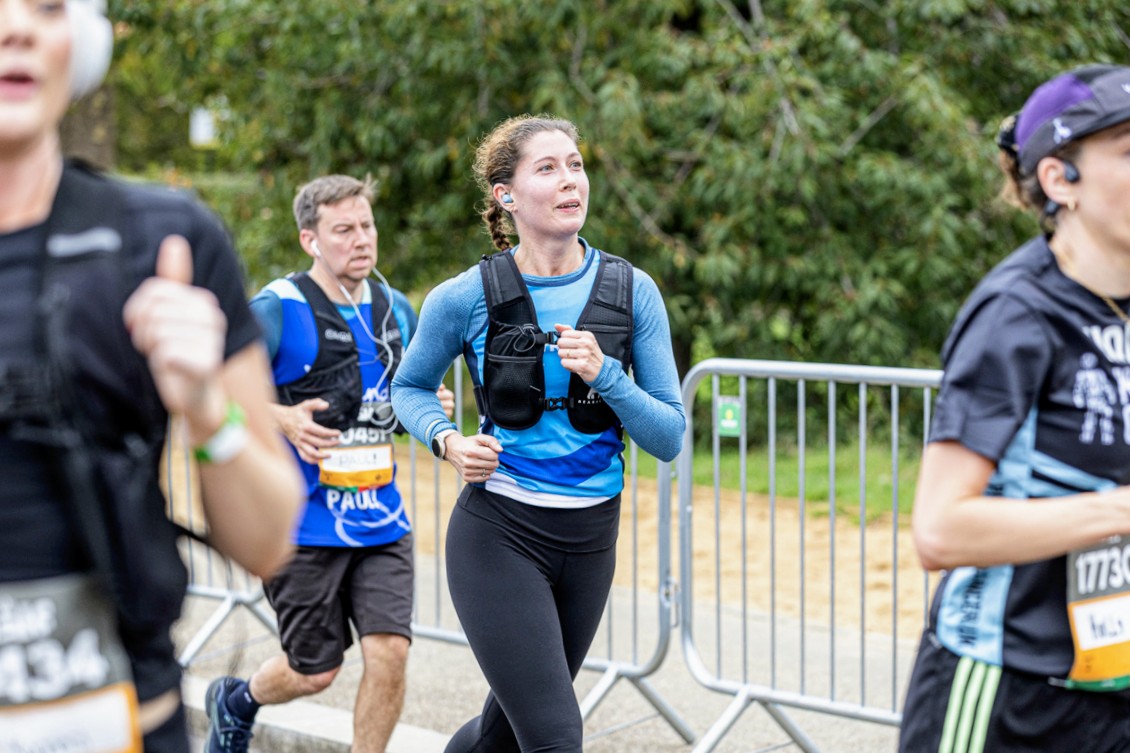
After following the London Marathon last weekend, I felt inspired to reflect on my own journey training for the Lisbon Marathon—and the lessons it taught me. At the start of 2025, a colleague persuaded me to sign up for a marathon after I had already completed a few half-marathons. At the time, I felt ready for the next challenge. What I underestimated, however, was just how demanding marathon training would be on my body.
As an osteopath, injury prevention has always been at the forefront of my approach to exercise. Despite this, the inevitable happened: I developed multiple tendinopathies in my Achilles and tibialis posterior tendons—just three weeks before race day.
If you’re familiar with tendinopathies, you’ll know they typically take between 3 to 6 months to recover. So managing to recover in just three weeks felt nothing short of remarkable. In this post, I want to share the key lessons from my training block, as well as the strategies that helped me recover in record time.
From the outset, I was committed to keeping my training both progressive and consistent—two principles that shaped my entire approach. I trained three times a week: a short run, an interval or tempo session, and a long run on the weekend. I followed the widely recommended guideline of increasing my mileage by around 10% each week.
For the first few months, this structure worked well and felt sustainable. However, once my long runs reached the 30km mark, problems began to surface. That’s when my first tendinopathy appeared.
At that point, I switched fully into “osteopath mode” and threw everything I could at my recovery. My first step was to support the ankle mechanically by using a brace and adding insoles to my shoes. I then began a targeted rehabilitation programme, including heel raises, inner foot strengthening exercises, and resisted ankle inversions.
I also reached out to two trusted osteopaths in London. One focused on ultrasound therapy and releasing tight calf muscles, while the other assessed my alignment and worked to reduce strain on the affected tendons. Their support proved invaluable. Against the odds, I made it to the start line— and not only did I run the marathon, I completed it!
Looking back, there are several things I would do differently if I were to train for another marathon. First, I would incorporate strength training at least twice a week to improve load tolerance and shock absorption. Second, I would schedule regular osteopathic check-ins every three to four weeks to address any developing imbalances or compensatory patterns early. Recovery and maintenance are just as important as the training itself.
Finally—and perhaps most importantly—I would give myself more time. Not just an extra month or two, but years. Signing up to a Marathon isn’t just about completing a training block; it’s about building a body that is resilient enough to handle the demands of long-distance running. In hindsight, my body simply hadn’t had enough time to fully adapt.
Key Takeaways
• Consistency and progression are essential, but they must be balanced with recovery
• Strength training is crucial for injury prevention and load management
• Early intervention can dramatically speed up recovery from injuries
• Professional support (e.g. osteopathy) can make a significant difference
• Mechanical support like bracing and insoles can help during acute injury phases
• Marathon training requires long-term preparation—often years, not months
• Pain is feedback, not something to ignore—address issues before they escalate
• Finishing a marathon is as much about resilience and adaptation as it is about fitness